Different Types of Pahadi Rajma: Taste, Texture & Best Pairings
Poit From HillsDifferent Types of Pahadi Rajma: Taste, Texture & Best Pairings
If you’ve ever felt that one rajma tastes completely different from another, you’re absolutely right.
Not all rajma is the same.
Some are earthy and bold. Some are creamy and soft. Some hold their shape beautifully after cooking, while others melt into a rich, comforting gravy. And once you start trying rajma from the hills, it becomes very hard to go back to the regular kind.
At Poit, rajma is not just a pantry staple for us. It is one of the ingredients that carries the taste of home, the memory of mountain kitchens, and the quiet richness of small harvests.
This is our guide to some of the rajma varieties we truly love — what they look like, how they taste, and how best to enjoy them.
Why Pahadi Rajma Tastes Different
The difference starts where it is grown.
Pahadi rajma is often cultivated in smaller quantities, at higher altitudes, and in regions where the soil, climate, and slower growing conditions shape both flavour and texture. That is why rajma from the hills often tastes more distinct, cooks differently, and feels more satisfying on the plate.
It is not just about size or colour.
It is about character.
And once you start noticing those differences, every variety begins to tell its own story.
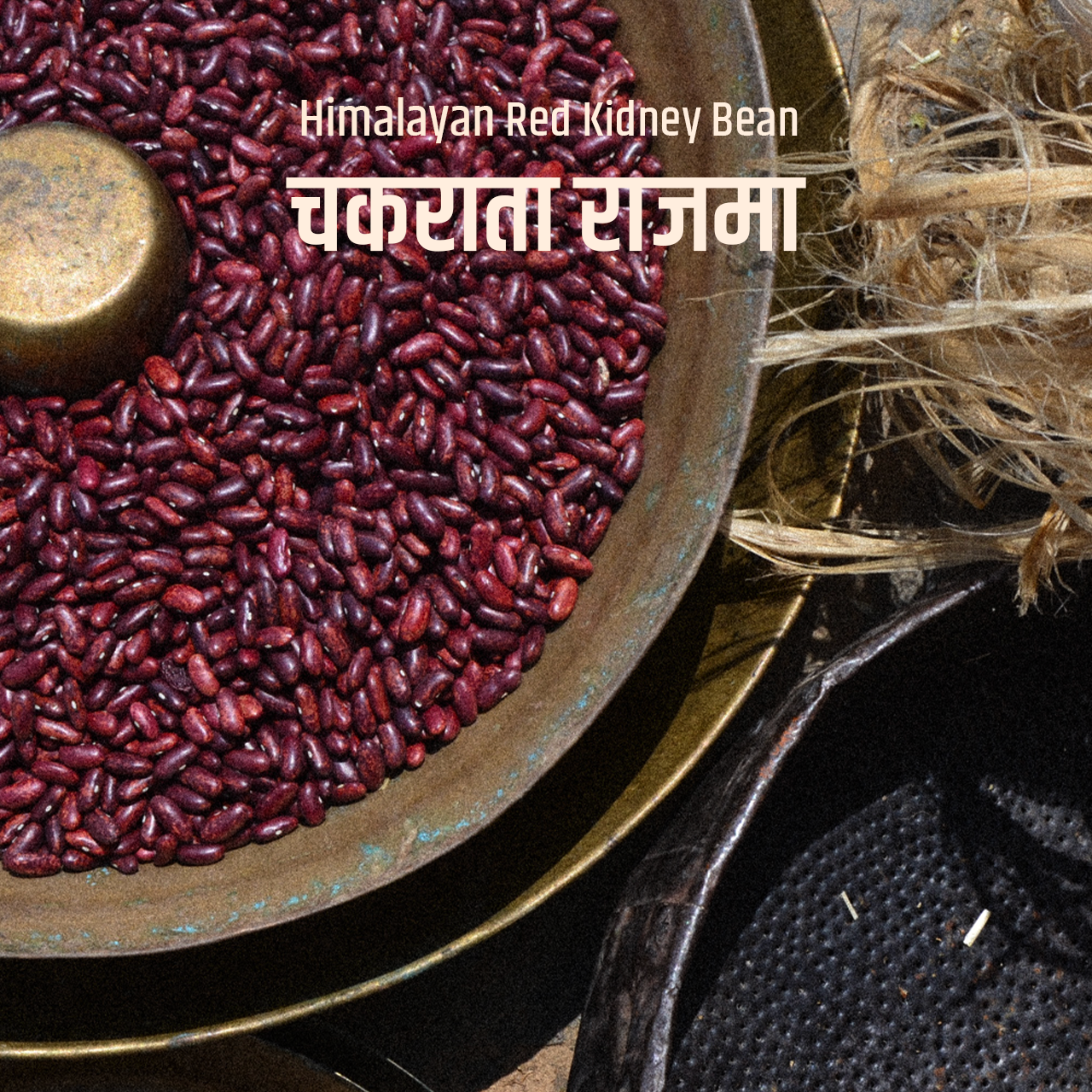
1. Chakrata Rajma
Bold, earthy, and deeply satisfying

This is one of the most loved rajma varieties from the hills, and for good reason.
Grown around the Chakrata and Jaunsar Bawar belt, this rajma has a rich, earthy flavour that feels full and grounded. The beans are usually dark red, often with natural variation in tone, and they hold their shape beautifully after cooking.
That shape can confuse people sometimes — because unlike regular market rajma, pahadi rajma often stays intact even when fully cooked. But that is actually one of its best qualities.
What it tastes like:
Earthy, full-bodied, traditional, and comforting.
Best for:
Classic rajma chawal, thick gravies, slow Sunday meals.
Best pairing:
Pahadi red rice or plain steamed rice.
Try this if:
You want the most familiar but most flavourful entry into Himalayan rajma.
2. Harsil Rajma
Creamy, elegant, and comfort-heavy

Harsil Rajma is for people who love a softer, creamier rajma experience.
These beans are known for their smooth texture and rich mouthfeel. They often start lighter in colour and deepen over time, which makes them visually quite beautiful too. Once cooked, they give a naturally creamy result without needing much help.
This is the kind of rajma that feels quiet, rich, and deeply comforting.
What it tastes like:
Creamy, mellow, soft, and rich.
Best for:
Rajma chawal with lighter spices, comfort meals, kebabs, and softer gravies.
Best pairing:
White rice, Red Rice, or even as a filling for rajma tikkis or kebabs.
Try this if:
You prefer creamy rajma over earthy rajma.
3. Chitra Rajma
Balanced, versatile, and a crowd-pleaser
If you want a rajma that sits beautifully between bold and creamy, Chitra Rajma is a lovely choice.
It has a naturally appealing appearance and a flavour profile that feels balanced — not too heavy, not too mild. This makes it one of the easiest rajmas to cook and enjoy across different styles of meals.
It’s the kind of rajma that works well when you’re cooking for everyone.
What it tastes like:
Balanced, mildly rich, and very easy to love.
Best for:
Everyday rajma, family meals, and versatile home cooking.
Best pairing:
Both red rice and white rice work beautifully.
Try this if:
You want an all-rounder rajma.
4. Bhaderwah Rajma
Soft, creamy, and naturally gravy-friendly
Bhaderwah Rajma has a lovely texture that makes it especially good for rajma chawal.
These beans are smaller to medium in size and tend to absorb flavour beautifully while still holding together well. The result is a rajma that gives you both body and softness in the same spoonful.
If you enjoy rajma that cooks into a naturally rich, clingy gravy, this one deserves attention.
What it tastes like:
Soft, smooth, creamy, and spice-friendly.
Best for:
North Indian-style rajma, lighter masalas, everyday comfort food.
Best pairing:
Simple rice and onion salad on the side.
Try this if:
You love rajma chawal that feels silky and home-style.
5. Baaliya / Chemmi Beans
Small in size, huge in personality
These are not your usual rajma beans — and that is exactly why they are special.
Baaliya, also known as Chemmi in some places, is a small and beautiful pahadi bean with a rustic, earthy taste and a personality of its own. It has a more rooted, traditional feel and can be incredibly satisfying when cooked right.
This is one of those beans that people often discover once and then keep coming back to.
What it tastes like:
Rustic, earthy, slightly buttery, and very distinctive.
Best for:
Traditional pahadi-style preparations, dal mixes, and slower home cooking.
Best pairing:
Mixing with black urad for a richer, mountain-style dal experience.
Try this if:
You want to explore beyond regular rajma and try something more regional.
6. Joshimath Red Rajma
Light, quick, and quietly delicious
Joshimath Red Rajma has a gentler personality compared to some of the bolder varieties.
It is often easier to cook, has a pleasant texture, and works very well in lighter preparations where you want the rajma to support the dish rather than dominate it.
This is a good option for people who like rajma but don’t always want something too heavy.
What it tastes like:
Mild, clean, soft, and subtle.
Best for:
Soups, salads, lighter curries, and everyday cooking.
Best pairing:
Simple rice, sautéed vegetables, or lighter spice profiles.
Try this if:
You want a softer and more versatile rajma for regular use.
So… Which Rajma Should You Try First?
If you’re new to pahadi rajma, this is the easiest way to choose:
Start with Chakrata Rajma if you want:

A classic, earthy rajma with strong flavour.
Start with Harsil Rajma if you want:
A creamy, softer, comfort-style rajma.
Start with Chitra Rajma if you want:
An all-rounder that works for everyone.
Try Baaliya if you want:
Something more traditional, rooted, and unique.
Try Joshimath if you want:
A lighter rajma for regular home cooking.
There is no “best” rajma.
Only the one that suits your taste best.
And honestly, once you begin trying them side by side, you start understanding just how beautiful these differences are.
Why This Matters to Us
At Poit, we don’t look at rajma as just another product.
Each variety comes with its own geography, taste, farming rhythm, and memory. These beans are part of a much bigger food story — one that belongs to mountain kitchens, small farms, and people who still grow food with patience.
That is why we care so much about helping people understand what they are buying, not just buying it.
Because when you know your rajma, you taste it differently too.